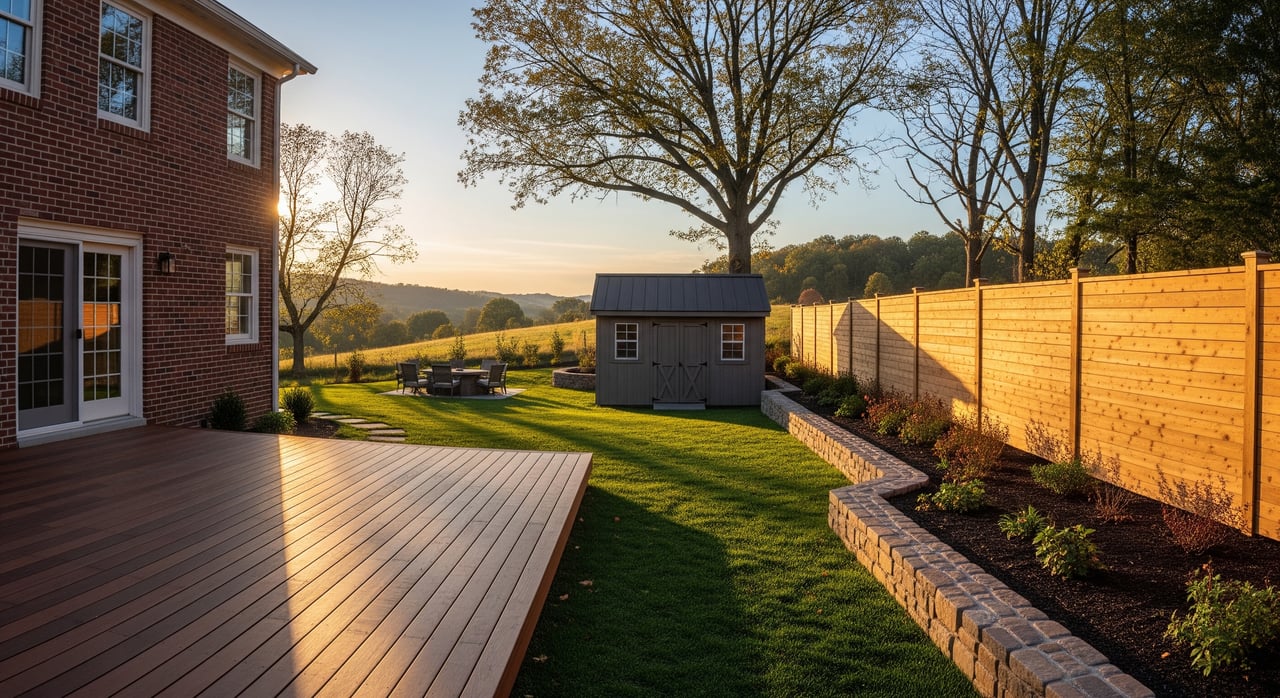
Thinking about adding a deck, fence, or shed to your home in Chartiers Township’s R-1 or R-2 district? It’s exciting to improve your outdoor space, but placement rules can be confusing. You want to avoid costly surprises, delays, or having to move something after it’s built. In this guide, you’ll learn how setbacks and permits work in Chartiers, what to confirm before you buy materials, and a simple process to get it right the first time. Let’s dive in.
Setbacks in Chartiers R-1/R-2
Setbacks are the minimum distances a structure must sit from your property lines. In Chartiers Township, the zoning ordinance sets different setbacks for front, side, and rear yards, and it can apply differently to accessory structures like sheds, fences, and decks.
- Exact numbers vary by district and structure type. You should confirm the R-1 or R-2 standards directly with the township’s zoning officer.
- The zoning ordinance also covers height limits, lot coverage, and definitions that determine whether something is part of the house or an accessory structure.
- If your plan can’t meet a required setback or height limit, you may need a variance through the Zoning Hearing Board.
Zoning vs building permits
Two layers typically apply in Pennsylvania:
- Zoning permit: Approves where you place a structure and ensures setbacks, height, and coverage rules are met.
- Building permit: Approves how you build it. Pennsylvania uses the Uniform Construction Code, which adopts International Residential Code standards for structural safety.
Some projects need both. Chartiers Township staff can confirm which permits apply, what drawings you need, and typical review times.
Fences: rules to confirm
Fence rules often change between front yards and side or rear yards. Before you buy posts, confirm the following with the township:
- Maximum height in front yards versus side and rear yards. Many municipalities limit front yard fence height and visibility.
- Corner visibility triangles near intersections. Taller or solid fences may be restricted to keep sightlines clear.
- Height measurement method. Height is usually measured from finished grade. Sloped lots can create special cases.
- Allowed materials and orientation. Some places prohibit barbed wire in residential districts or require the finished side to face outward.
Even if a fence does not need a building permit, a zoning permit or placement approval may still be required.
Sheds: placement basics
A shed is typically treated as a detached accessory structure. Key items to confirm in R-1 and R-2:
- Setback distances from side and rear property lines. Many townships use ranges between 3 and 10 feet for small accessory buildings, but local rules control.
- Size thresholds. Very small sheds may be exempt from some permits, while larger sheds or those on permanent foundations often require both zoning and building approvals.
- Height limit for accessory structures. Many places cap accessory heights, often in the 10 to 15 foot range, but you need the township’s official number.
- Lot coverage. The shed footprint may count toward your property’s lot coverage maximum.
- Fire separation and eave projections. Building code requirements can affect how close you can place a structure to a property line.
Decks: attached vs detached
How your deck connects to the house changes the rules:
- Attached decks usually require a building permit because they involve structural elements like ledgers, footings, and guardrails.
- Detached, ground-level platforms may have simpler requirements, especially if they are very low to the ground, but zoning setbacks still apply.
- Guardrails are typically required when the walking surface is more than about 30 inches above grade. Confirm the exact threshold used locally.
- Stairs and landings that serve an exit need to meet IRC stair dimensions when a building permit is required.
Ask the zoning officer whether attached decks are treated as part of the principal building or as accessory structures for setback purposes.
Step-by-step: confirm your setbacks
Follow this simple process before you buy or build:
- Identify your zoning district. Confirm your property is in R-1 or R-2 and obtain the township’s setback and accessory rules.
- Get a survey or reliable property map. Verify lot lines and any recorded easements. Washington County GIS can help identify parcel boundaries.
- Sketch a site plan. Show the house, proposed deck, fence, or shed, and all distances to property lines and other structures.
- Decide attached or detached. For decks, note whether it attaches to the house and the finished floor height above grade.
- Check lot coverage. Ask if your project adds impervious area and whether it counts toward maximum lot coverage.
- Call PA One Call before digging. This protects against underground utility conflicts when placing posts or footings.
Permit application checklist
Ask the township what they require and prepare these items:
- Completed zoning and/or building permit applications.
- A scaled site plan or survey showing setbacks and easements.
- Construction details, when needed. For decks, include ledger attachment, footing depth, post size, guardrail and stair details.
- Contractor information and license, if applicable.
- Fee schedule and expected review timeline.
Post permits on site as required, and schedule inspections for footings, framing, and final approval if a building permit is issued.
Common pitfalls to avoid
- Assuming small sheds are exempt. Size thresholds vary and zoning setbacks still apply even when a building permit is not needed.
- Placing a fence too tall in the front yard or within a corner visibility triangle.
- Building an elevated or attached deck without a building permit.
- Overlooking lot coverage, utility easements, or HOA rules that are more restrictive than township standards.
- Starting work without written approval. Stop-work orders and fines can be costly and cause delays.
Variances: when you need one
If your project cannot meet a required setback, height, or coverage rule, ask the zoning officer about a variance. The Zoning Hearing Board holds a public hearing and reviews evidence related to practical difficulties or hardship. Plan ahead. This process can take weeks to months and includes application fees and formal notices.
For sellers: why permits matter
Unpermitted work can complicate appraisals, inspections, and buyer financing. You may face requests to obtain retroactive permits, add safety features, or move noncompliant structures. Resolving permits before listing or having a clear plan can save time and help protect your net proceeds.
Who to contact locally
- Chartiers Township zoning department: Confirm R-1/R-2 setbacks, accessory structure rules, fence regulations, and permit procedures.
- Township building office: Verify whether your deck, shed, or fence needs a building permit and what inspections are required.
- Washington County GIS and property records: Check parcel lines and any recorded easements.
- PA One Call: Arrange utility location before any digging for posts or footings.
Work with local experts
Planning ahead helps you avoid rework and keep your project on schedule. If you are buying, selling, or improving a home in Washington County, we can help you navigate local rules and connect you with trusted contractors who understand township requirements. Reach out to Realty Done Right for friendly, personal guidance from a team that lives and works here.
FAQs
What are the exact fence heights in Chartiers R-1/R-2?
- Height limits can vary by yard and fence type. Contact the Chartiers Township zoning officer for the current front, side, and rear yard standards.
Do I need a permit for a small shed in Chartiers Township?
- It depends on shed size, foundation, and placement. Zoning applies to location, and larger or permanent sheds may need building permits too.
How close can my shed be to the property line?
- Many townships use side and rear setbacks in the 3 to 10 foot range, but you must confirm the specific distances with Chartiers Township.
When does a deck require a building permit in Pennsylvania?
- Attached decks commonly require building permits, and elevated platforms may trigger safety requirements like guardrails and inspections.
Are front yard fences allowed in Chartiers Township?
- Front yard fences may be limited in height and visibility. Ask the zoning office about front yard limits and any corner visibility triangle rules.
What if my lot can’t meet the required setback?
- You may need to apply for a variance with the Zoning Hearing Board. Expect a public hearing, fees, and a review timeline.
Will my deck or shed count toward lot coverage?
- Many structures count toward lot coverage. Verify how Chartiers Township calculates coverage for your specific plan.
Do HOAs override township rules?
- HOA covenants can be more restrictive than township zoning. You must meet both the HOA and township requirements.