Moving to Bridgeville and not sure where to start? Between commute routes, neighborhood options, and trip logistics, it can feel like a lot to juggle. You want a clear picture of daily life, a plan for touring homes from afar, and confidence that you’re making the right move. This practical guide walks you through Bridgeville’s location and lifestyle, how to plan an efficient house‑hunting trip, what to watch for during tours, and how to coordinate virtual showings with a responsive local team. Let’s dive in.
Location and commute snapshot
Bridgeville sits in Allegheny County on Pittsburgh’s southwest side in the South Hills corridor. You get convenient highway access with I‑79 running north–south and Route 50 connecting you to nearby suburbs and shopping. That mix gives you options whether you commute downtown, work along I‑79, or travel to the airport and western suburbs.
If you plan to use public transit, check current routes and park‑and‑ride options through Pittsburgh Regional Transit schedules. Drive times can shift with construction and rush‑hour patterns, so it helps to preview your routes in real time. For roadwork and lane closures, review PennDOT construction advisories before your visit.
Homes and neighborhoods overview
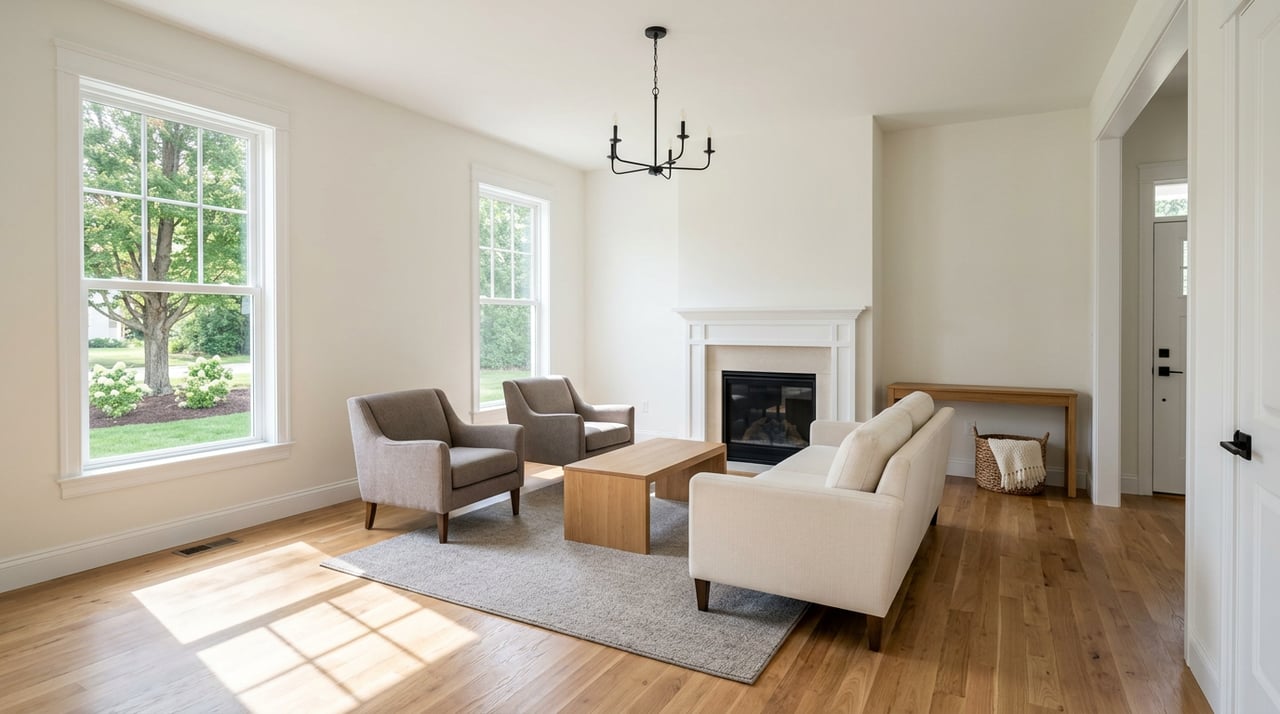
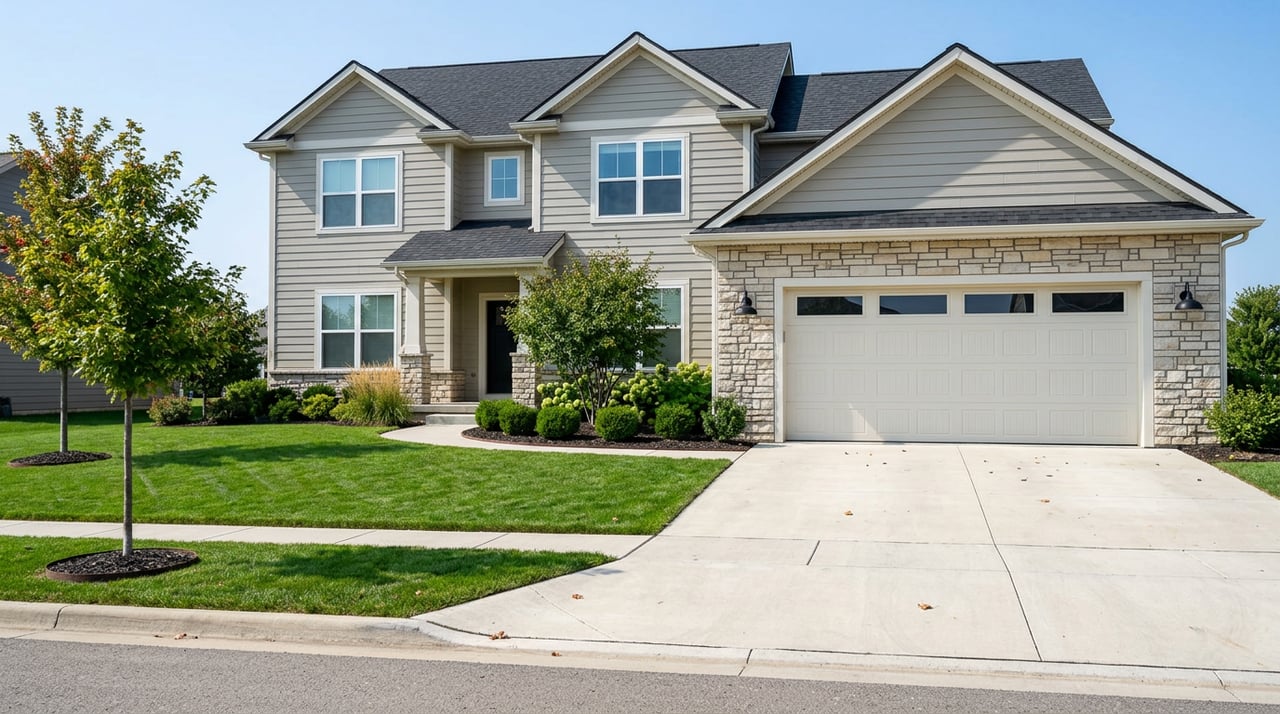
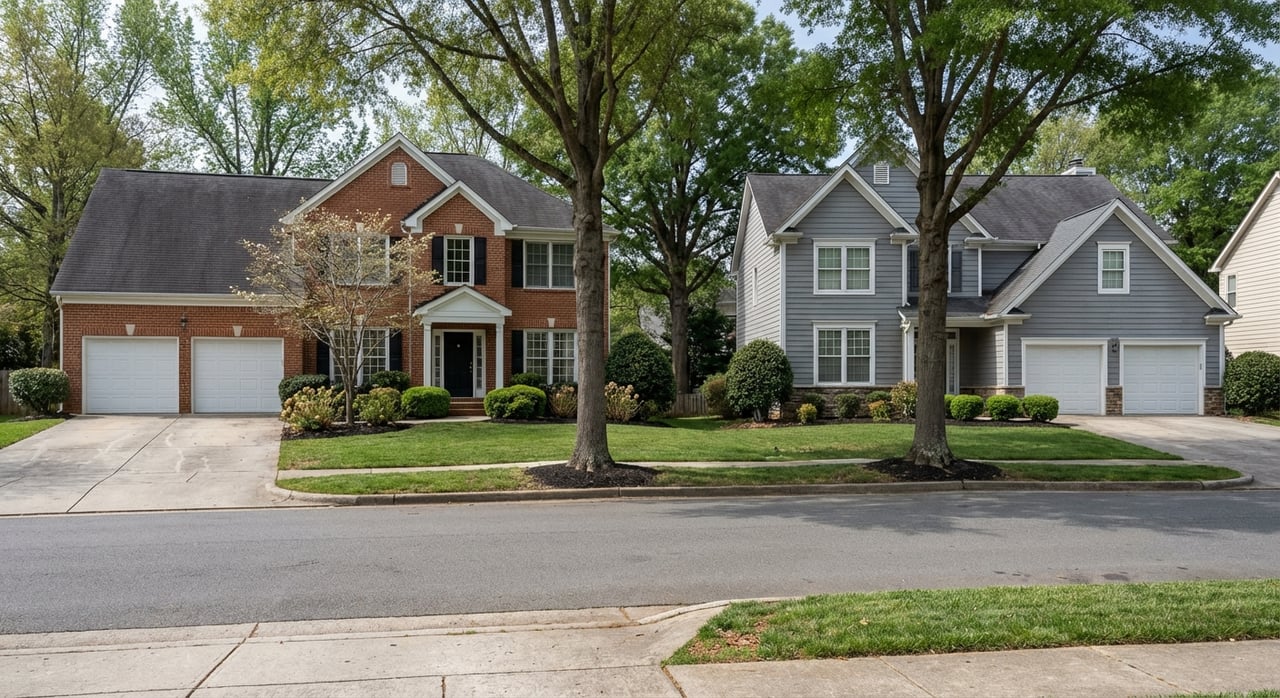
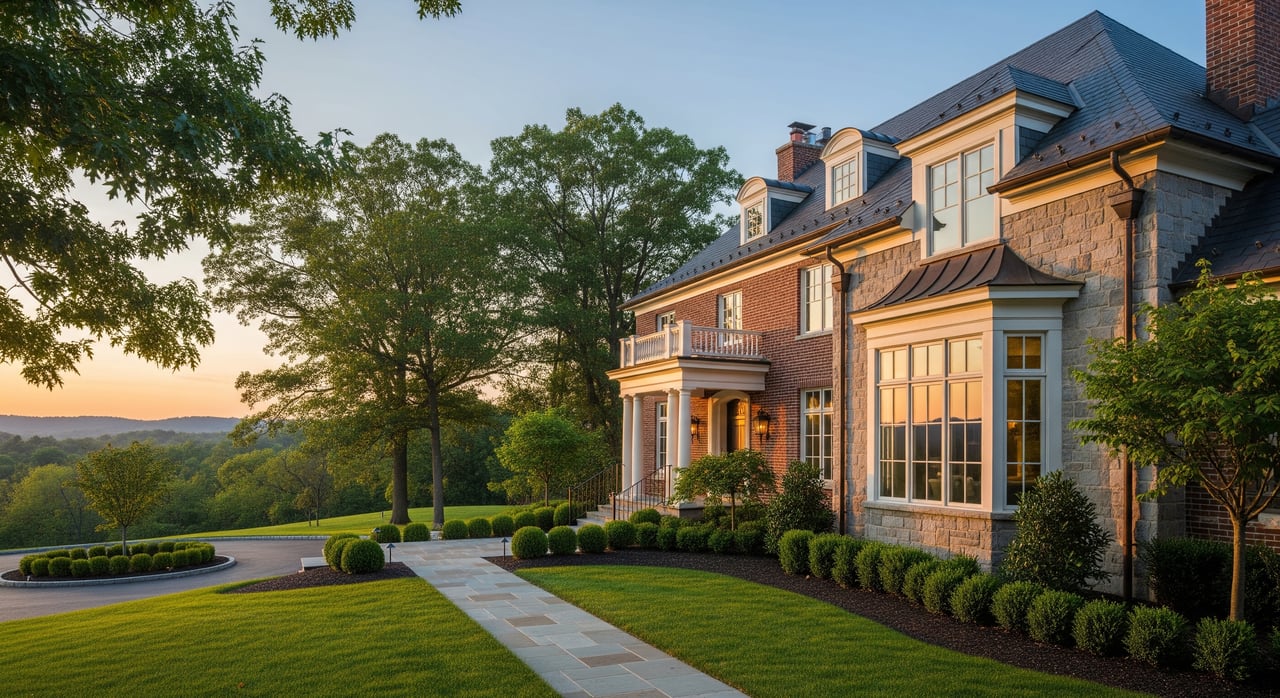
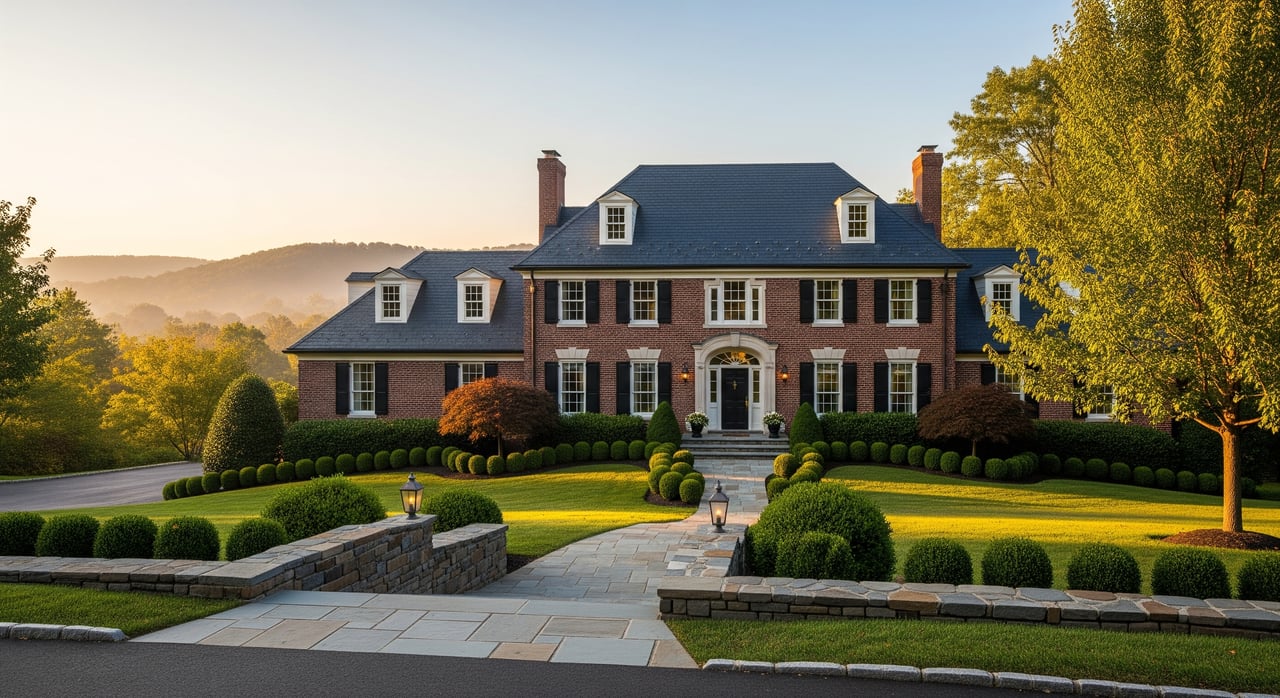
You’ll see a practical mix of housing in and around Bridgeville. Single‑family homes range from mid‑20th‑century bungalows and ranches to two‑story colonials and newer infill. Townhome and condo communities add low‑maintenance options, and you’ll find rental apartments and duplexes near commercial corridors.
Nearby communities such as Collier Township, Scott Township, South Fayette, Robinson Township, and the Carnegie–Heidelberg area are commonly considered alongside Bridgeville. Each municipality has its own tax structure, amenities, and neighborhood feel. If you are comparing addresses, look at commute priorities, lot size, and municipal services to see what fits your day‑to‑day needs.
Everyday essentials
Schools and childcare
School district boundaries are a key factor, so verify the district for any specific address you are considering. Some Bridgeville addresses may fall within the Chartiers Valley School District, but boundaries vary by street. Ask your agent to confirm parcel‑level zoning and point you to the district’s boundary map, performance reports, and enrollment details. For childcare and after‑school options, local recommendations help because availability can change seasonally.
Healthcare, shopping, and services
Major health networks operate hospitals and outpatient facilities across Allegheny County. When you shortlist homes, identify the nearest urgent care and emergency hospital for each location. For shopping, Bridgeville’s borough center and nearby corridors provide everyday retail and dining, while the Route 50 and I‑79 corridors connect you to larger grocery and big‑box options in adjacent townships.
Parks and recreation
You’ll find neighborhood parks, playgrounds, and suburban recreation options throughout the South Hills. As you tour, note where you’ll walk, run, or take kids to play, and look into community centers or youth sports groups near each prospective home.
Your step‑by‑step plan
2–6 weeks out: Get ready
- Get pre‑approved for financing so your budget and timeline are clear.
- Create a prioritized must‑have and nice‑to‑have list: bedrooms, yard size, commute limit, school boundary, garage, lot size, and price range.
- Ask your agent to provide: recent comparable sales, a curated list of 8–12 homes that fit your criteria, property disclosures, parcel and tax data, and available floor plans or 3D tours.
- If you are relocating from out of the area, coordinate live virtual tours and request recorded walkthroughs for flexible review.
Virtual tour best practices with your agent team
- Align on technology: choose FaceTime, Zoom, or Google Meet and set a backup plan for connectivity.
- Ask for a full sweep of the property: basement and attic, HVAC, water heater, electrical panel, window types, roof and siding closeups, and the yard and driveway.
- Request context: exterior views of neighboring homes, street features, lighting, and nearby commercial uses.
- Confirm measurements: floor plans with dimensions or a measured drawing, plus high‑resolution photos of any concerns or recent improvements.
- Ask for pricing logic: local comparables and a quick explanation of the list price in the context of recent sales.
Design a 2–3 day visit
- Day 0: Arrive and do a quick drive through Bridgeville’s core and nearby neighborhoods to get your bearings.
- Day 1: Tour your top three homes in the morning. Over lunch, visit the school district office or website for boundary and enrollment information. In the afternoon, run your commute route at a typical rush‑hour time. Wrap up with dinner in the borough center to sample local spots.
- Day 2: Tour secondary contenders in the morning. Meet your agent midday to revisit a favorite home, discuss disclosures, utilities, and local vendor referrals for inspection or repairs. In the afternoon, visit grocery stores, parks, and healthcare facilities near your top choice.
- Day 3: If needed, schedule inspector or contractor walk‑throughs for quotes or feasibility discussions, or finalize your offer strategy.
What to look for during tours
- Structure and maintenance: roof age, guttering, grading and drainage, signs of water intrusion, foundation cracks, window condition, and evidence of deferred maintenance.
- Systems: HVAC age and service history, hot water heater, electrical panel amperage, insulation, and any recent upgrades or warranties.
- Neighborhood context: traffic patterns, street noise, sidewalks and lighting, nearby uses, and the overall upkeep of surrounding properties.
- Legal and administrative: lot lines and easements, HOA rules and fees if applicable, municipal services such as trash and snow removal, and tax history.
- Schools and childcare: confirm zoning by parcel and ask about current enrollment capacity and timelines.
Offers, inspections, and timing
Out‑of‑area buyers benefit from careful timing. Inspection windows can be short, so line up an inspector early and keep a reserve day on your trip for due diligence. If you submit an offer, include inspection contingencies that reflect your travel needs and request language that permits remote signatures and electronic communication. Your agent can coordinate with a local closing agent or attorney as soon as you are serious about a particular home.
If your initial inspection is limited to a recorded or virtual walkthrough, consider a follow‑up in‑person visit during the contingency period. Agree on next steps for any issues that arise, such as additional inspections, repair requests, or credits.
Commute tests and daily mapping
Your commute and daily routes will shape your quality of life, so test them during your visit. Run door‑to‑door drives to work, daycare, grocery stores, and medical facilities at typical morning and evening times. If transit is part of your plan, review Pittsburgh Regional Transit schedules and locate park‑and‑ride options. Before each day’s tours, check PennDOT construction advisories so you can avoid unusual backups and get a realistic read on travel time.
Quick checklists
Virtual tour checklist
- Live walkthrough scheduled during daylight and recorded for review.
- Floor plan with measurements and a measured drawing if needed.
- High‑resolution photos of systems, improvements, and any concern areas.
- Seller disclosures, warranties, HOA documents if applicable, and recent utility bills.
In‑person inspection checklist
- Exterior: roof, gutters, siding, grading, and drainage.
- Interior: plumbing leaks or stains, floors and ceilings, window function.
- Mechanical: HVAC, water heater, and ventilation.
- Electrical: panel type and amperage, outlet tests where accessible.
- Environmental: look for moisture or mold and consider a radon test if recommended locally.
- Pests: evidence of infestation or prior remediation.
Commute test checklist
- Drive the exact route at both morning and evening rush hours.
- Note parking or garage access at your destination.
- Evaluate public transit options and park‑and‑ride locations.
Red flags to escalate
- Active water staining, ongoing moisture or mold without documentation of remediation.
- Electrical systems that appear outdated or unsafe.
- Significant foundation movement or visible structural sagging.
- Additions or major renovations without permits or records.
Verify taxes, schools, and records
Property taxes vary by municipality and assessed value. For current millage rates and recent bills, use the county’s resources or ask your agent for a guided review. You can start with the Allegheny County property and tax resources. For schools, verify the district for the exact parcel and review boundary maps and enrollment guidance from the district.
Work with a responsive local team
A smooth relocation comes down to preparation and communication. You deserve quick answers, organized virtual showings, and a clear plan from first call to closing. As a boutique, two‑person team backed by a leading regional brokerage, we coordinate curated property lists, live and recorded tours, local comps, and trusted inspectors so you can make decisions with confidence even from out of town. When you are ready, schedule your free consultation with MIKE and DEBBIE FRAGELLO to map out your move to Bridgeville.
FAQs
What is Bridgeville’s location relative to Pittsburgh and the airport?
- Bridgeville is in Allegheny County on Pittsburgh’s southwest side, with I‑79 and Route 50 providing access to downtown, employment hubs along the I‑79 corridor, and regional routes toward the airport and western suburbs.
Which school district serves a specific Bridgeville address?
- Boundaries vary by street, and some addresses may fall within Chartiers Valley School District, so ask your agent to confirm parcel‑level zoning and review the district’s boundary map before you make an offer.
How can you check current bus routes and roadwork before touring?
- Review Pittsburgh Regional Transit schedules for bus and park‑and‑ride options, and monitor PennDOT construction advisories for lane closures and travel impacts on I‑79 and Route 50.
What types of homes will you find in Bridgeville?
- Expect a mix of single‑family homes from mid‑century to newer builds, plus townhomes, condos, and some rental apartments or duplexes near commercial corridors.
How do out‑of‑area buyers handle inspections and closing?
- Line up an inspector before you write, include inspection contingencies that allow enough time for travel, and request remote signing to keep your contract and closing on schedule.
Where can you confirm property taxes for a home in Bridgeville?
- Start with the Allegheny County property and tax resources to review assessed values and tax information, and have your agent walk you through recent bills and millage rates for the specific municipality.